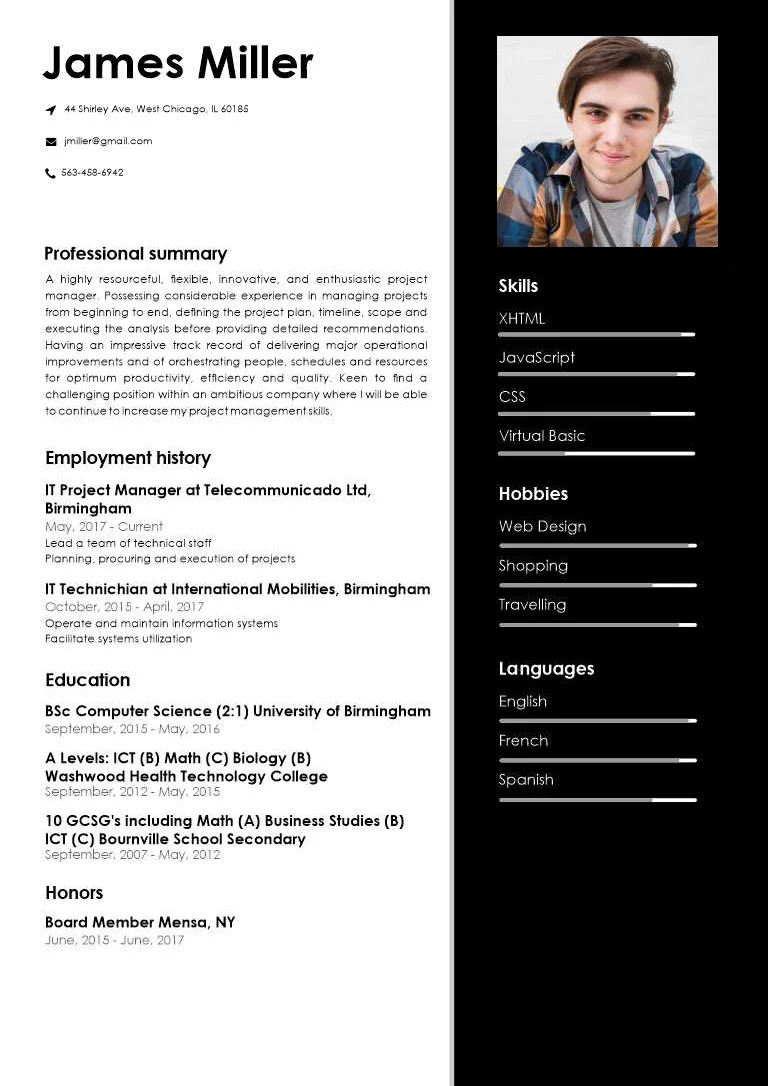
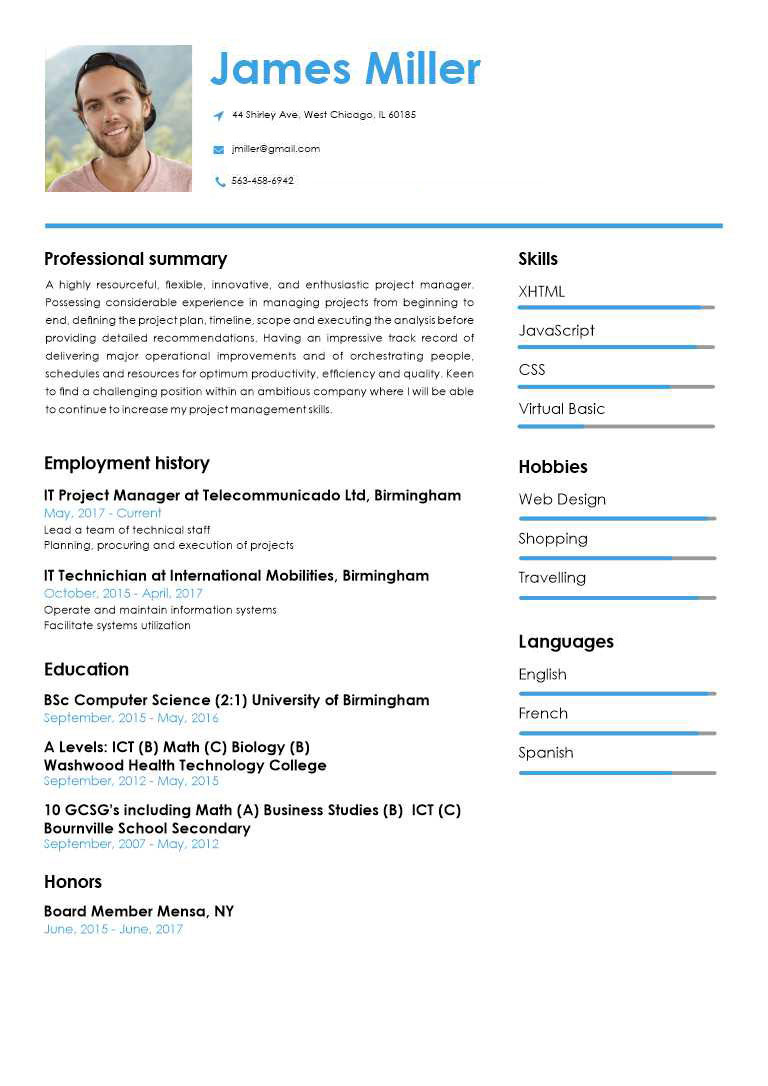
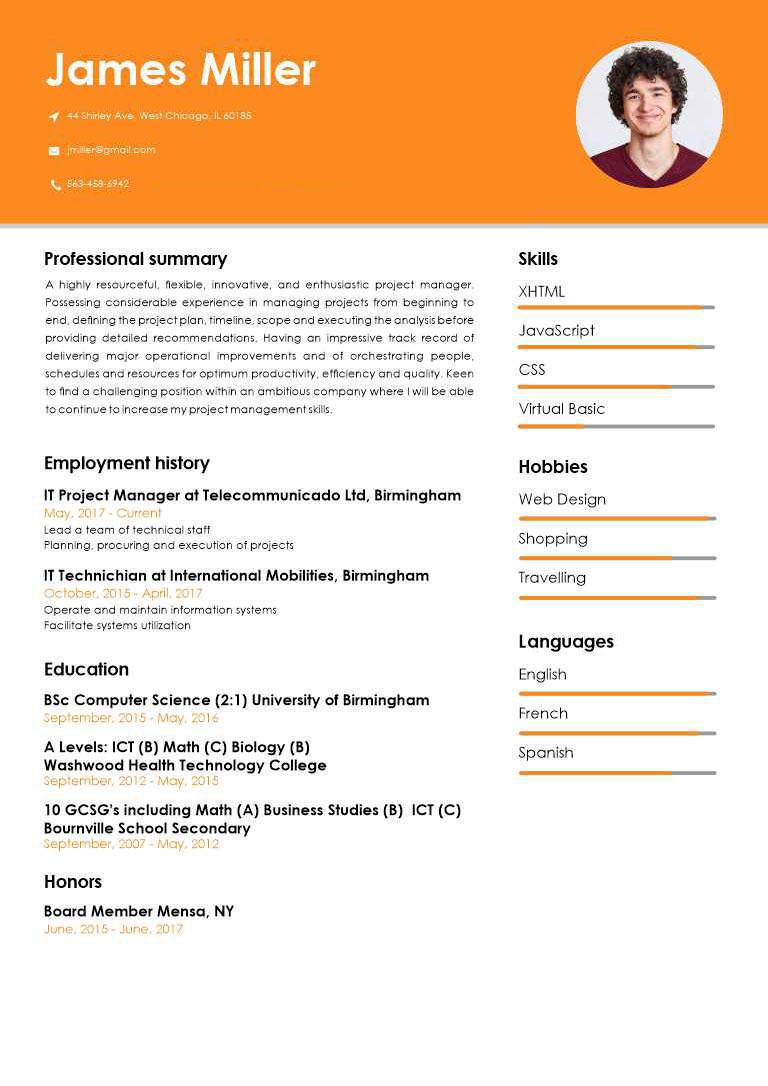
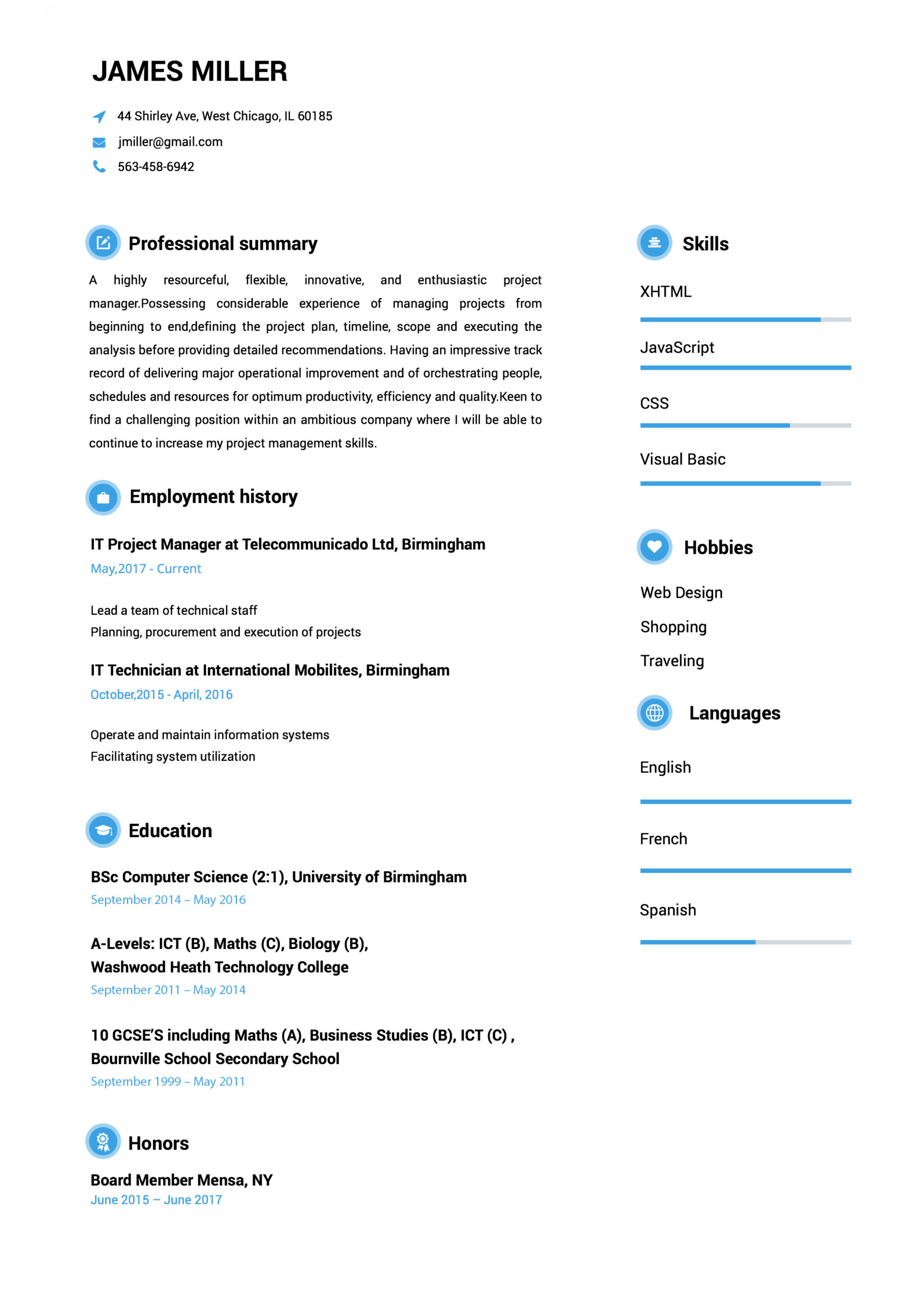
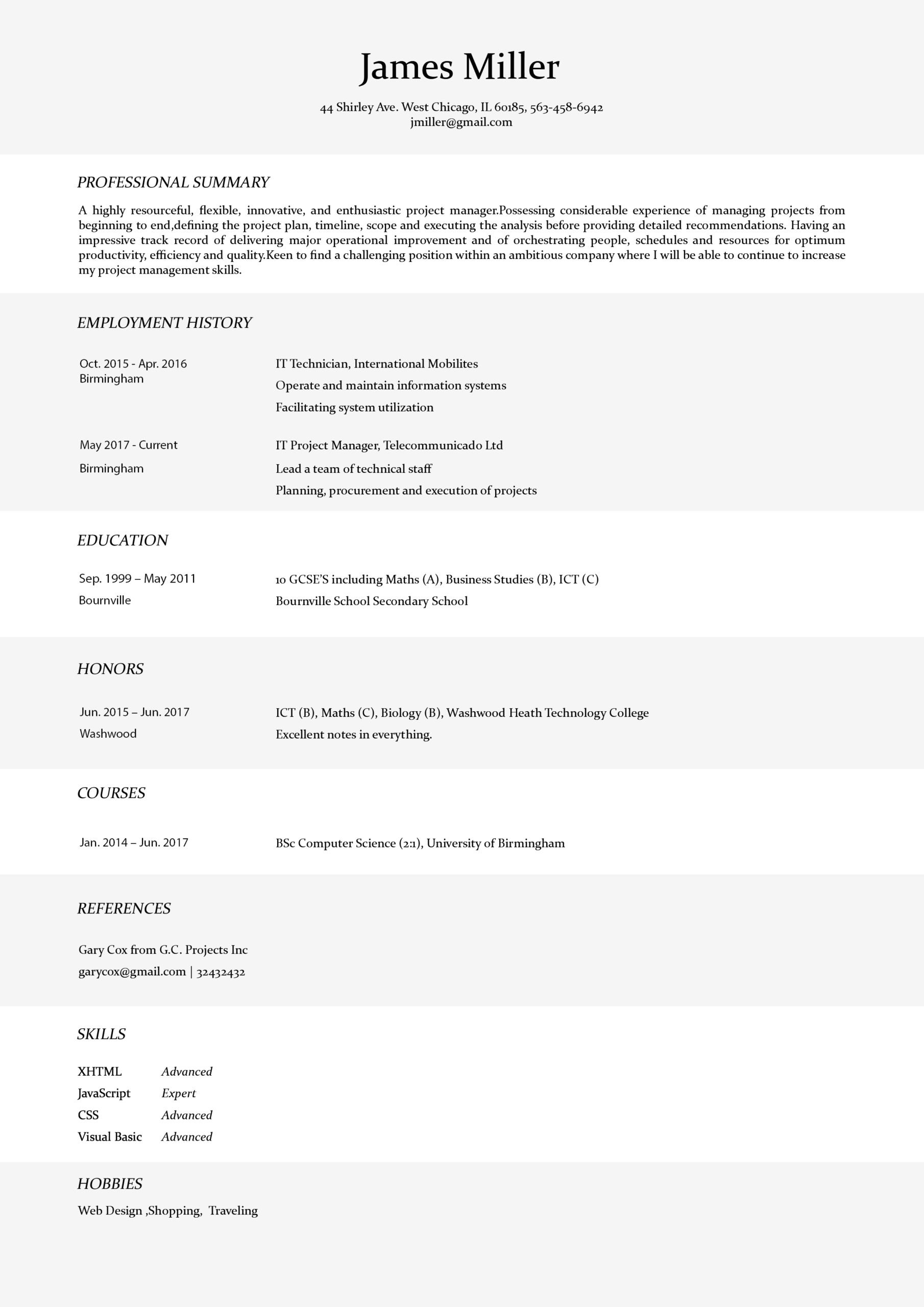
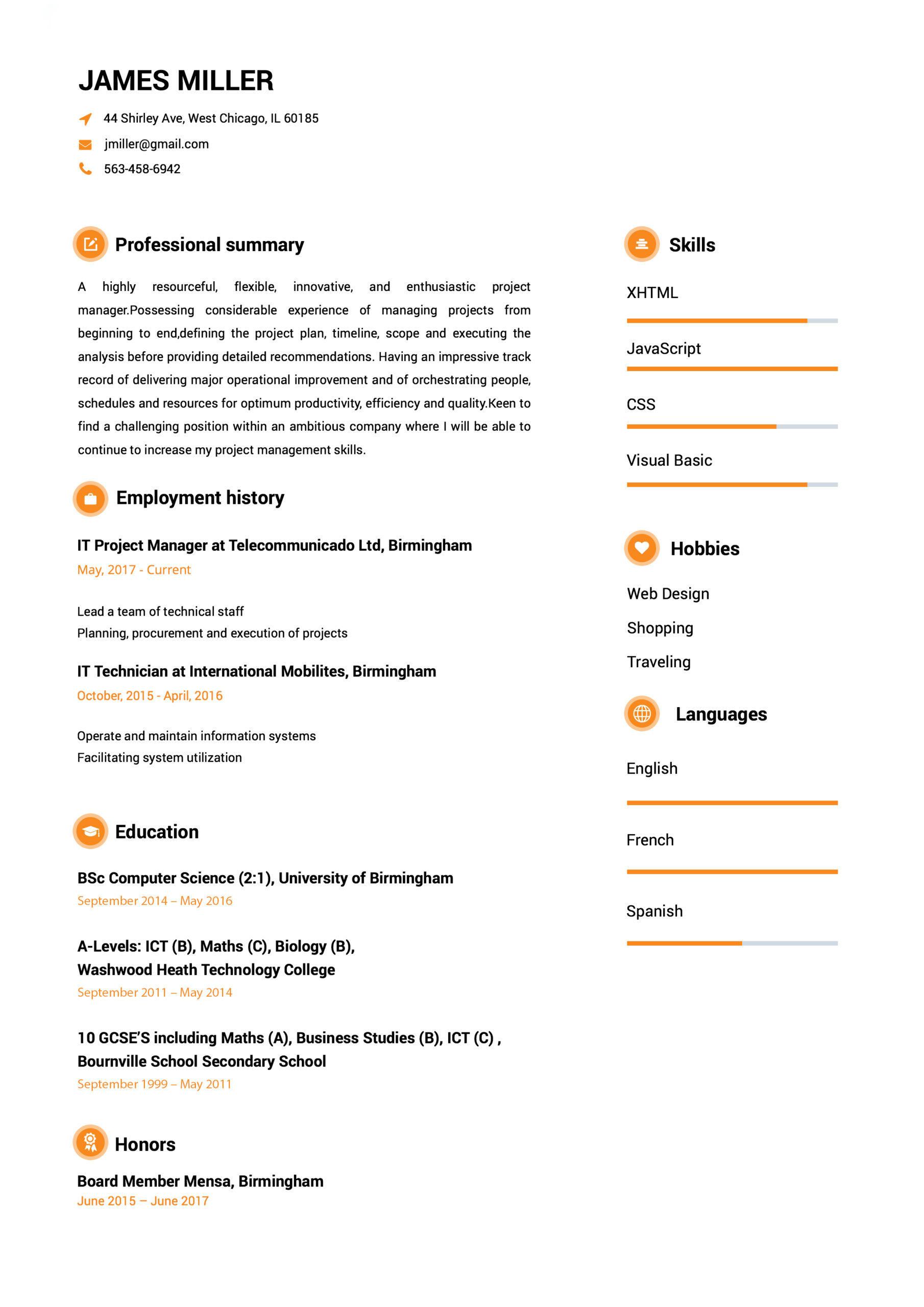
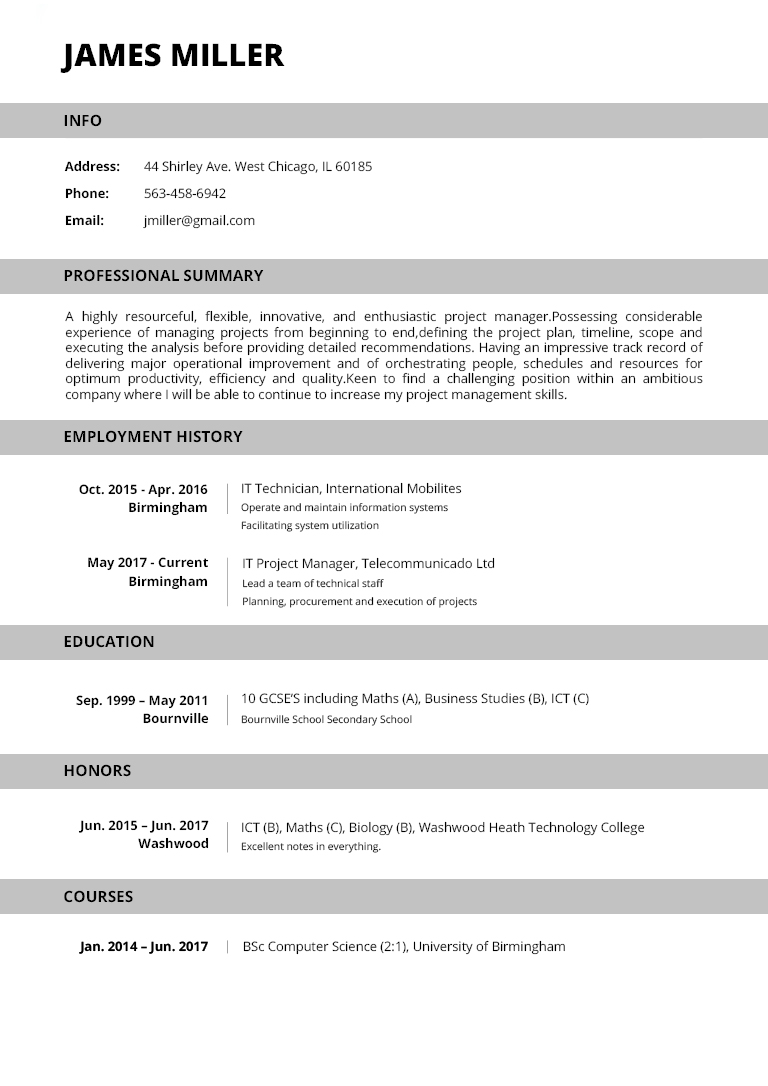
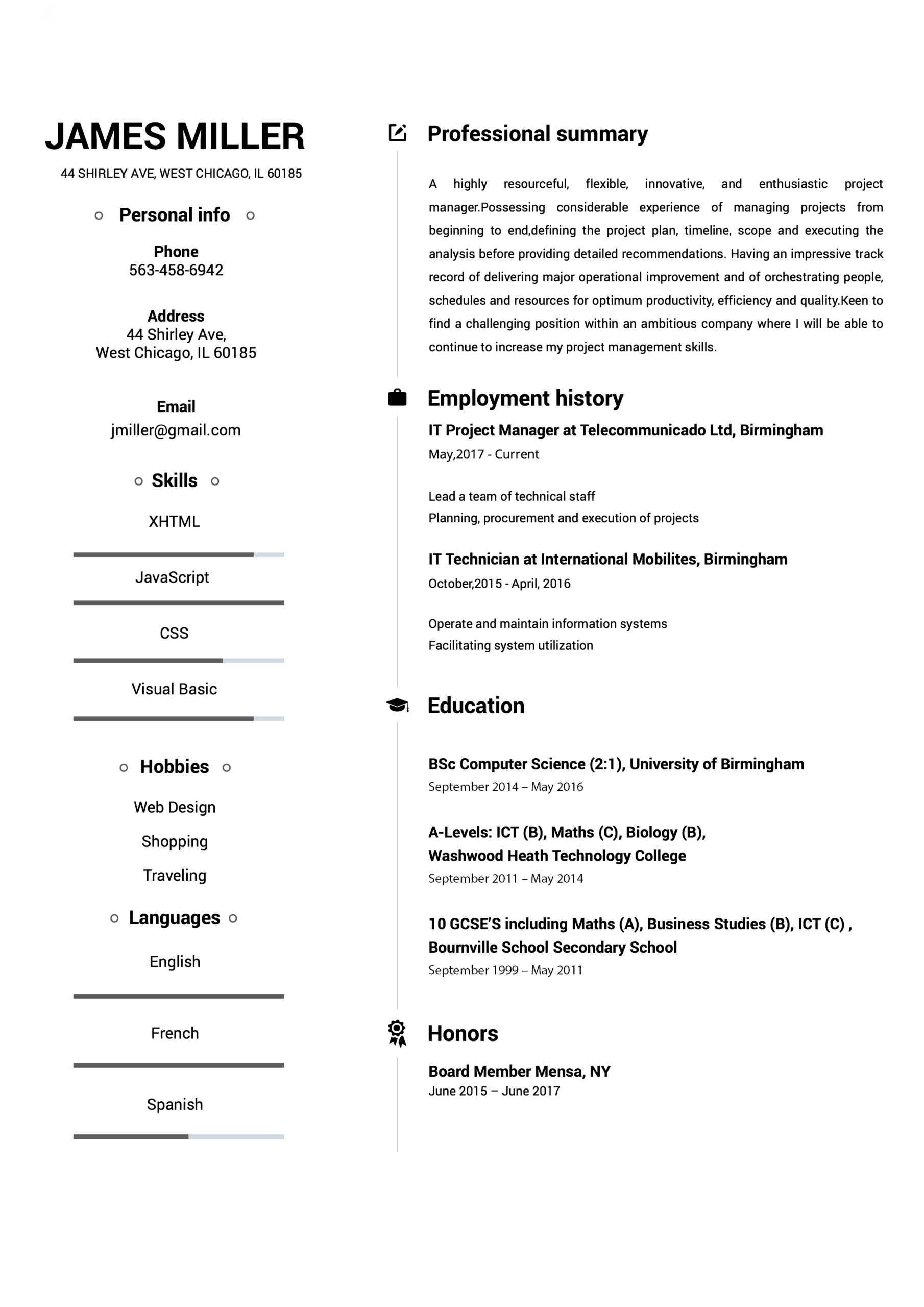
Resume templates

Can professional resume templates increase your chances of being hired?

User Rating: / 310
PoorBest 

Can professional resume templates increase your chances of being hired?


Have you been looking for a job but just not lucky enough to be called even for an interview? It worries you because all your friends have jobs and you don’t. You ask yourself now, what’s wrong with you? How can you be hired when you cannot even entice a recruiter to call you for a job interview? With the economic crisis, many people are finding it increasingly difficult to land a job.

A lot of people may not know that the key for an applicant to be called for a job interview is their. Good professional resume templates can attract the employers to know you better and see if you are the right candidate they are looking for the job vacancy they have. No matter what type of job you are applying for, whether you want to be a contractor, healthcare professional, accountant, IT professional, a secretary, or a retail store manager, you will want to make a cv for yourself. Perhaps, the biggest reason as to why you need to submit a resume that is professional in nature is because the cv's are often the first thing that a hiring employer will see. It must have a professional appearance. This is the first thing that potential employers will see and is the first thing that you will be judged on. Imagine this; an average employer will only take 10 seconds to check the resume. They don’t even read it. They merely scan it. This means that even if you have written all your skills and work experience in a 5-page resume but if your cv is not properly done, it will all just end up in the trash bin. So, we have to make use of those precious seconds, we cannot afford to waste that little time the employer will spend on your cover letter. We need to make sure that we are able to get their attention and be scheduled for an interview. That is why, it is very essential to use a good professional resume template. If you want the recruiter to read your curriculum vitae from top to bottom, make sure that your letter looks marvelous.


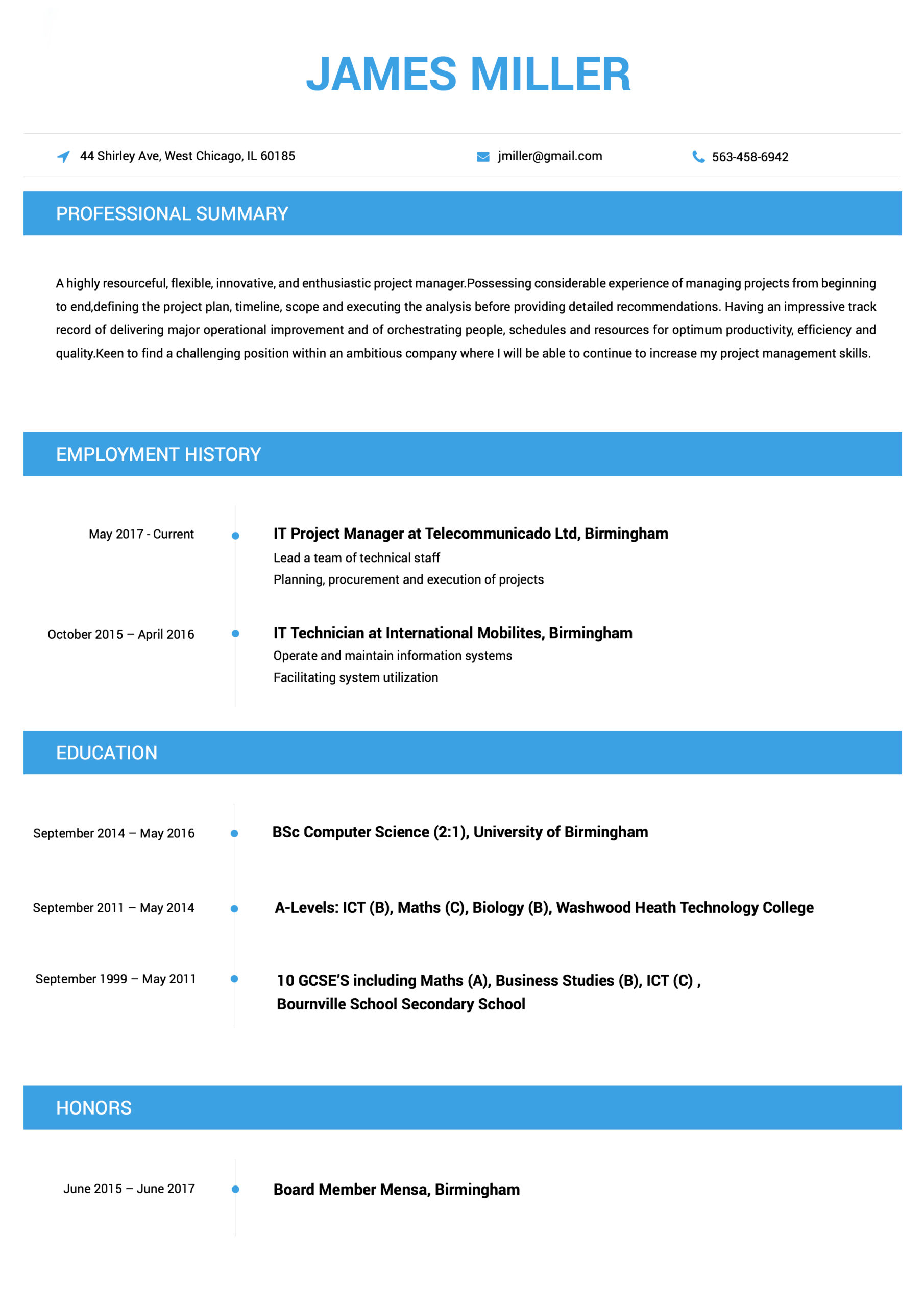
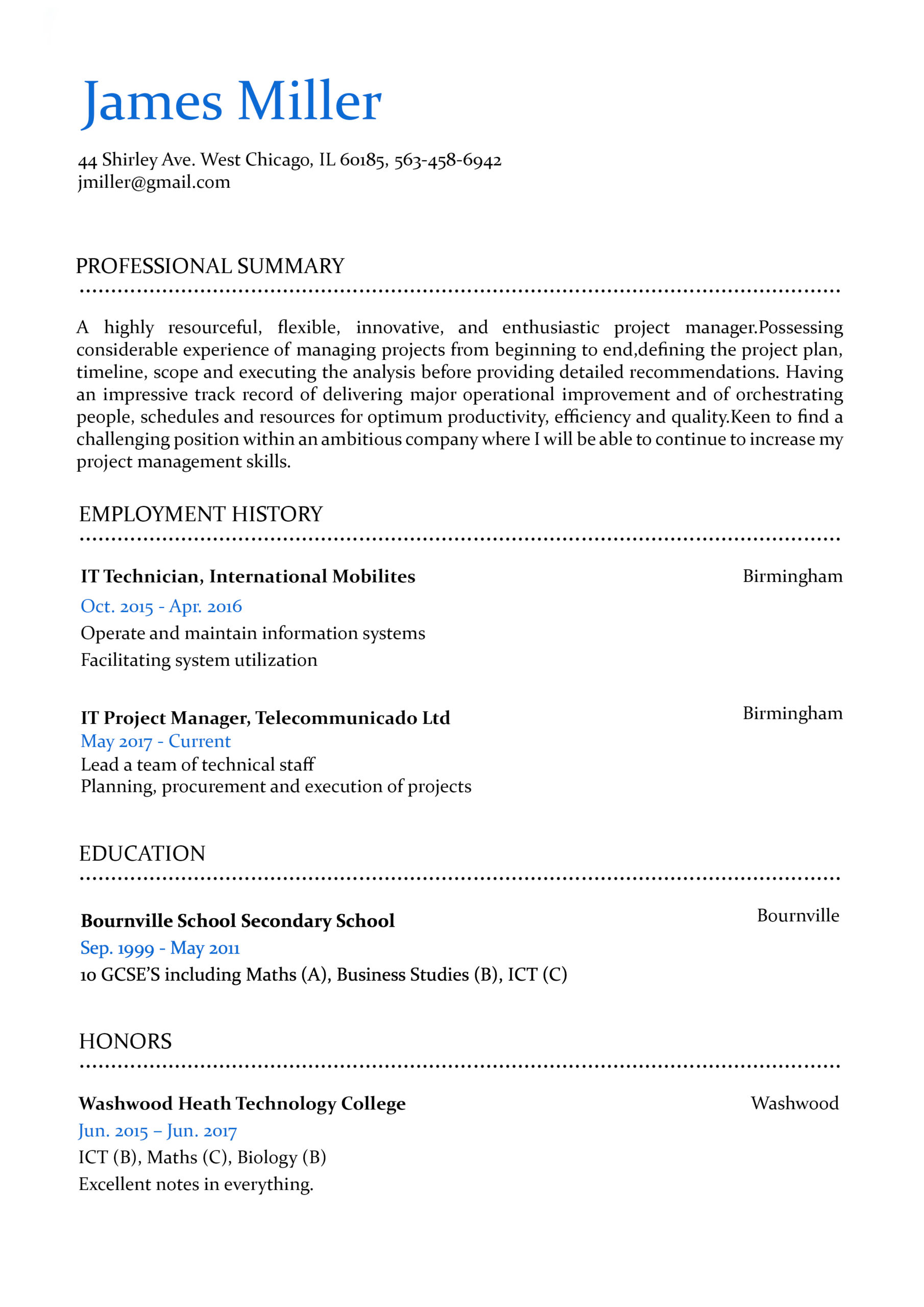
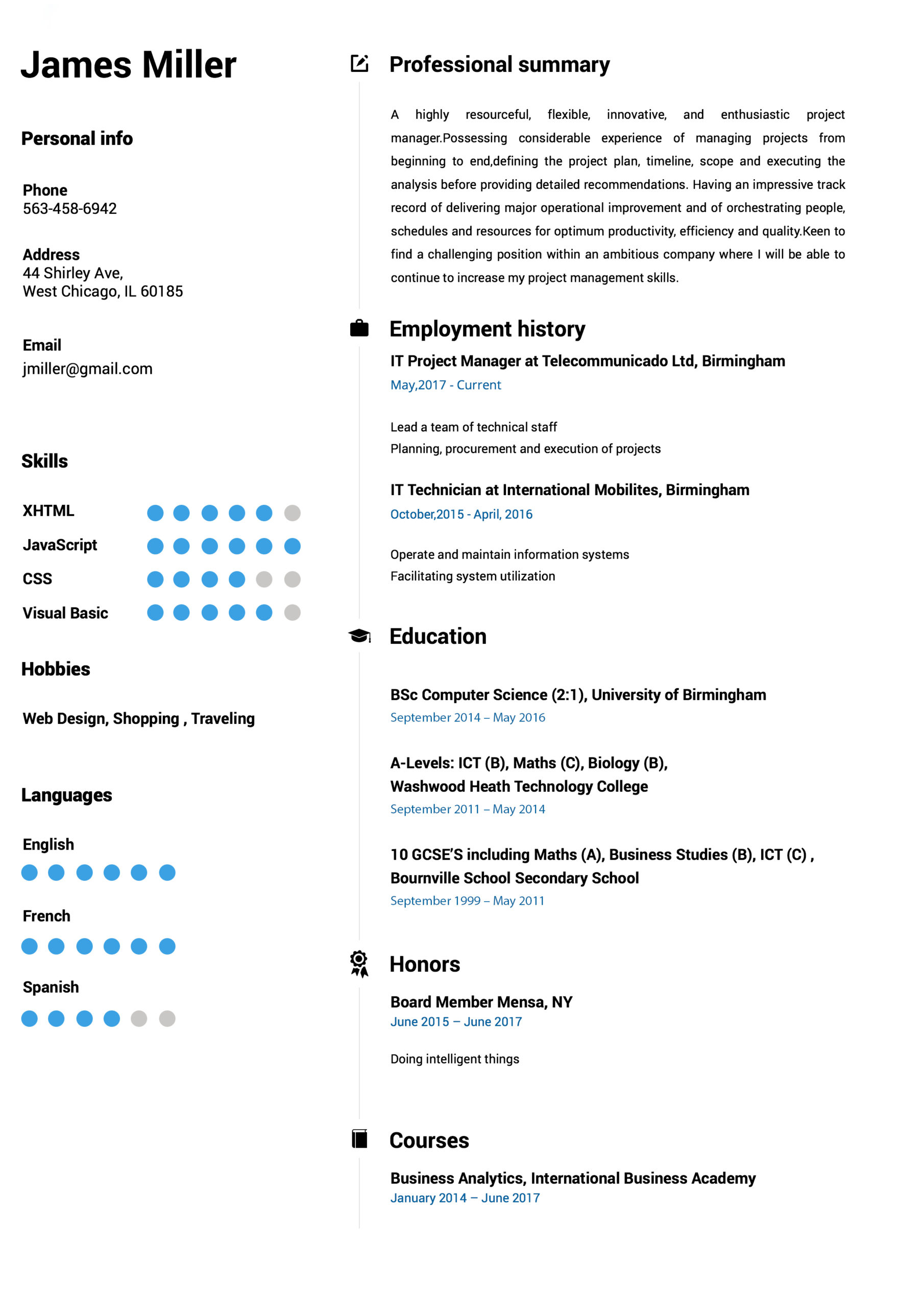
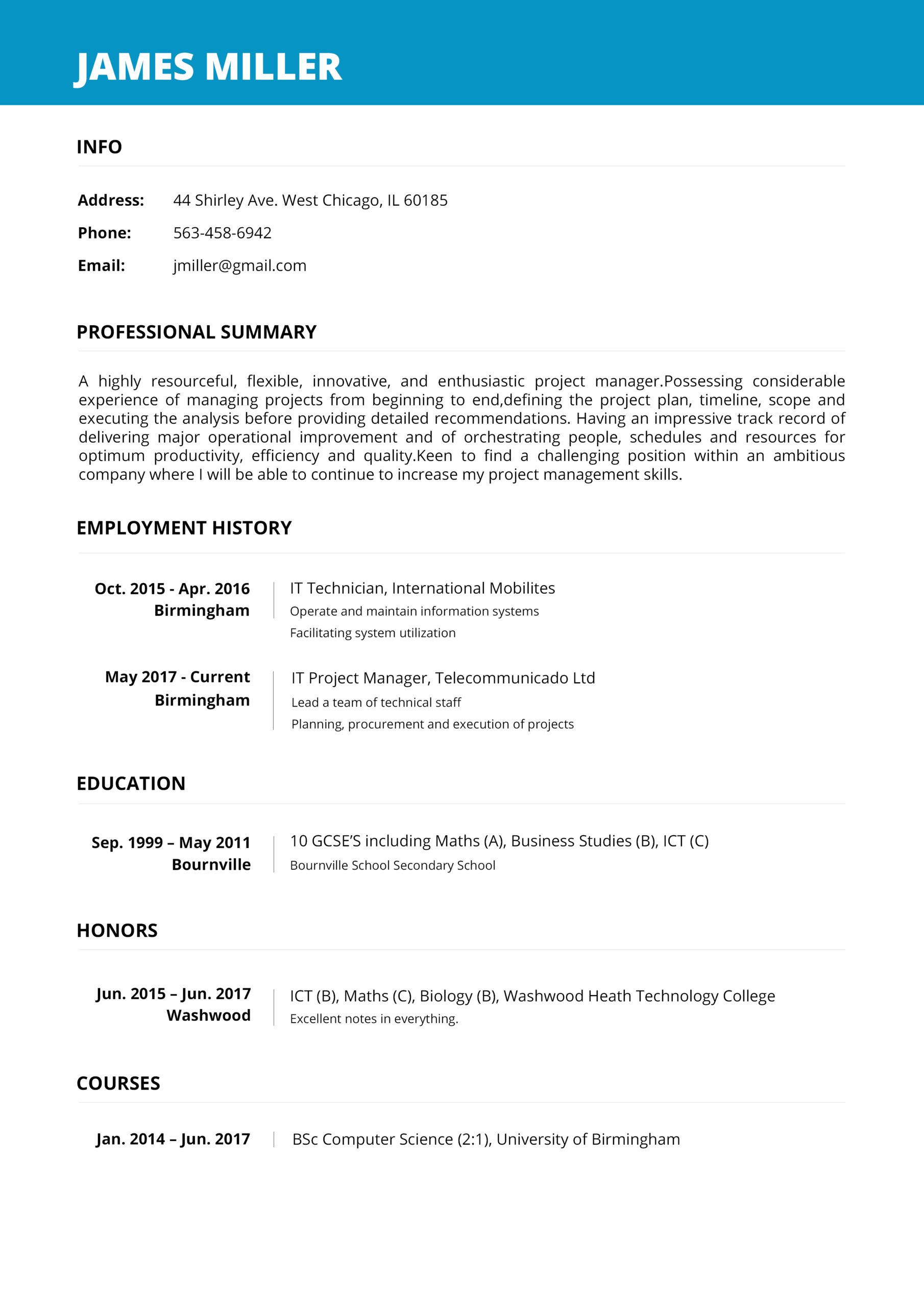
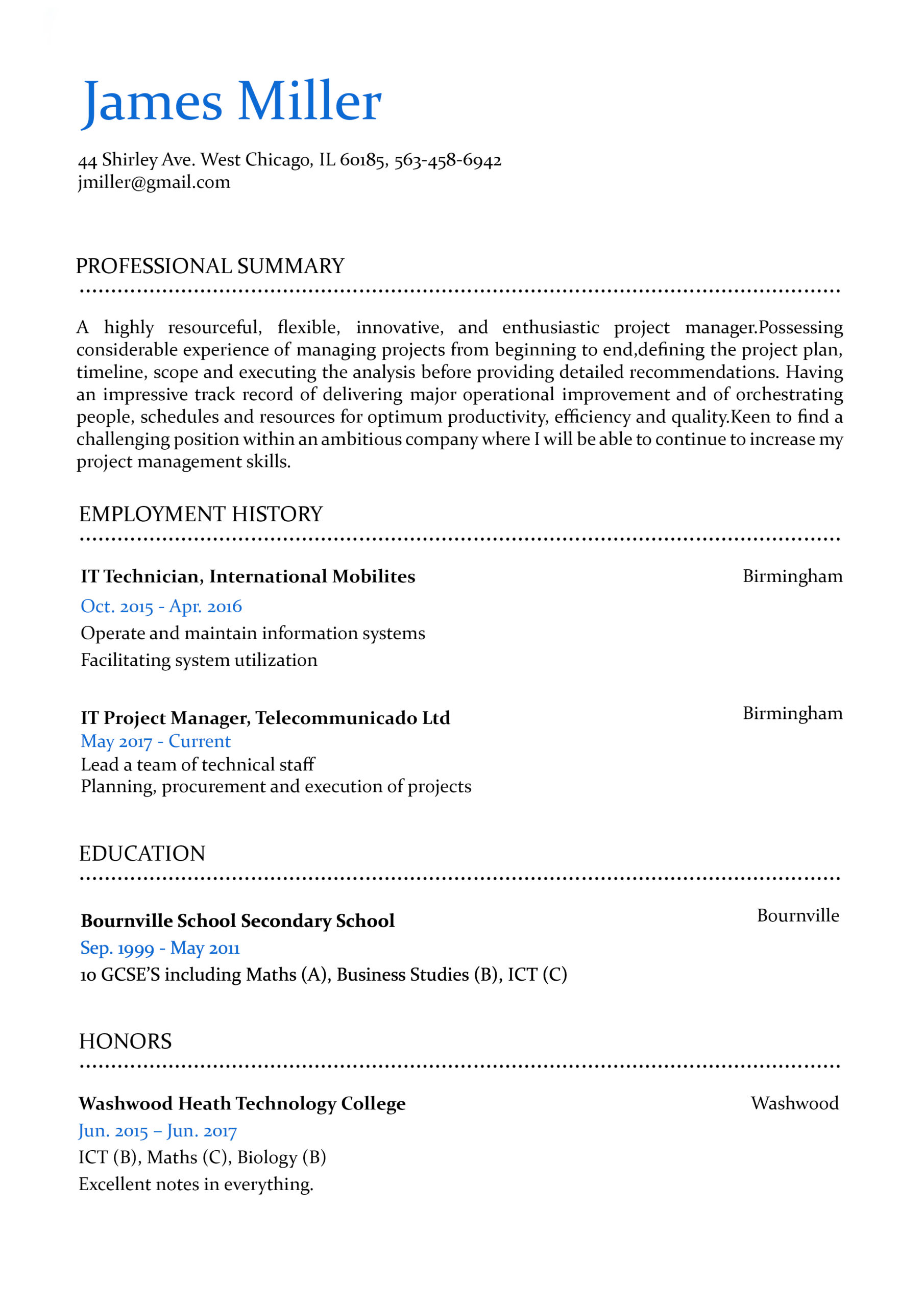
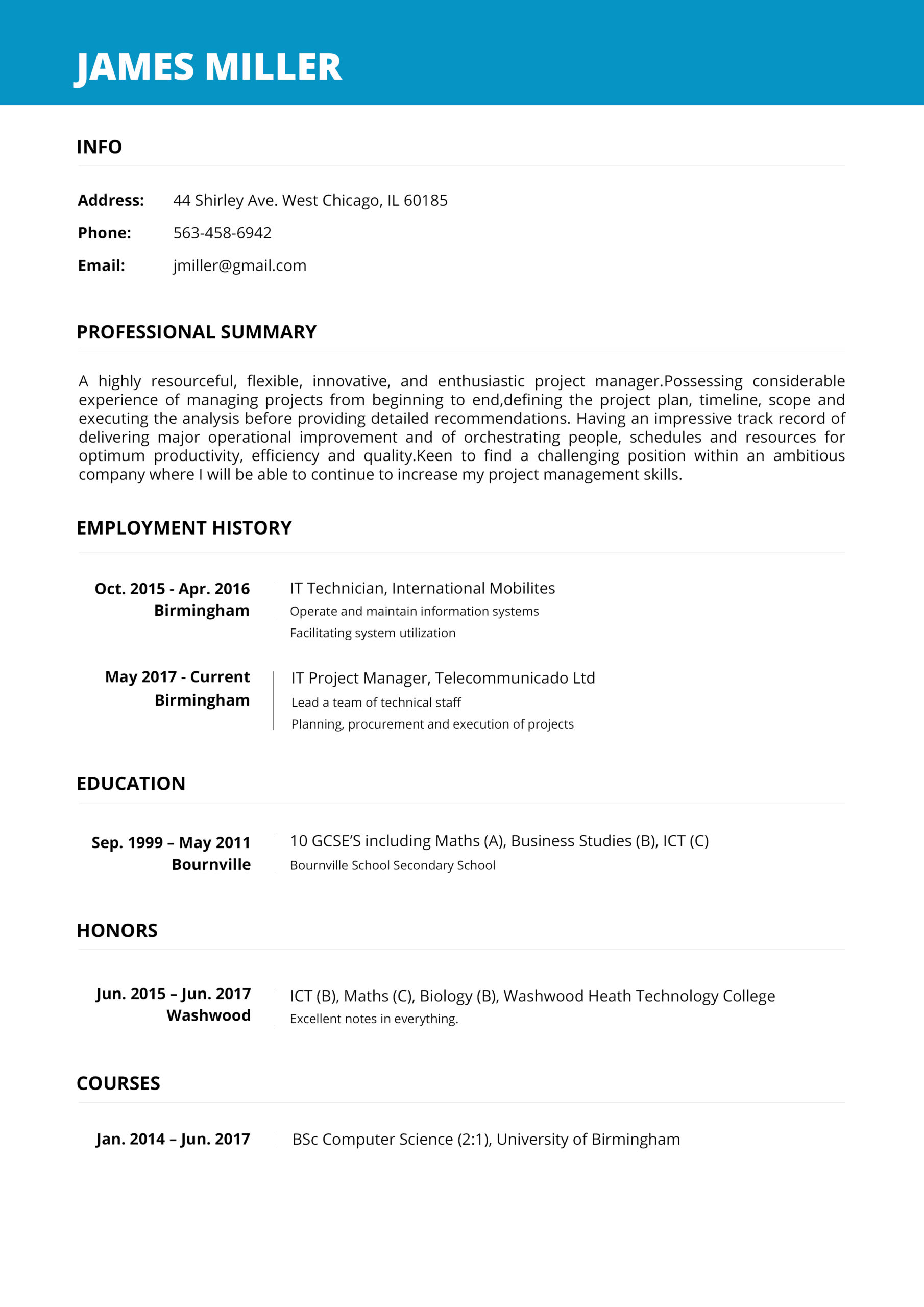
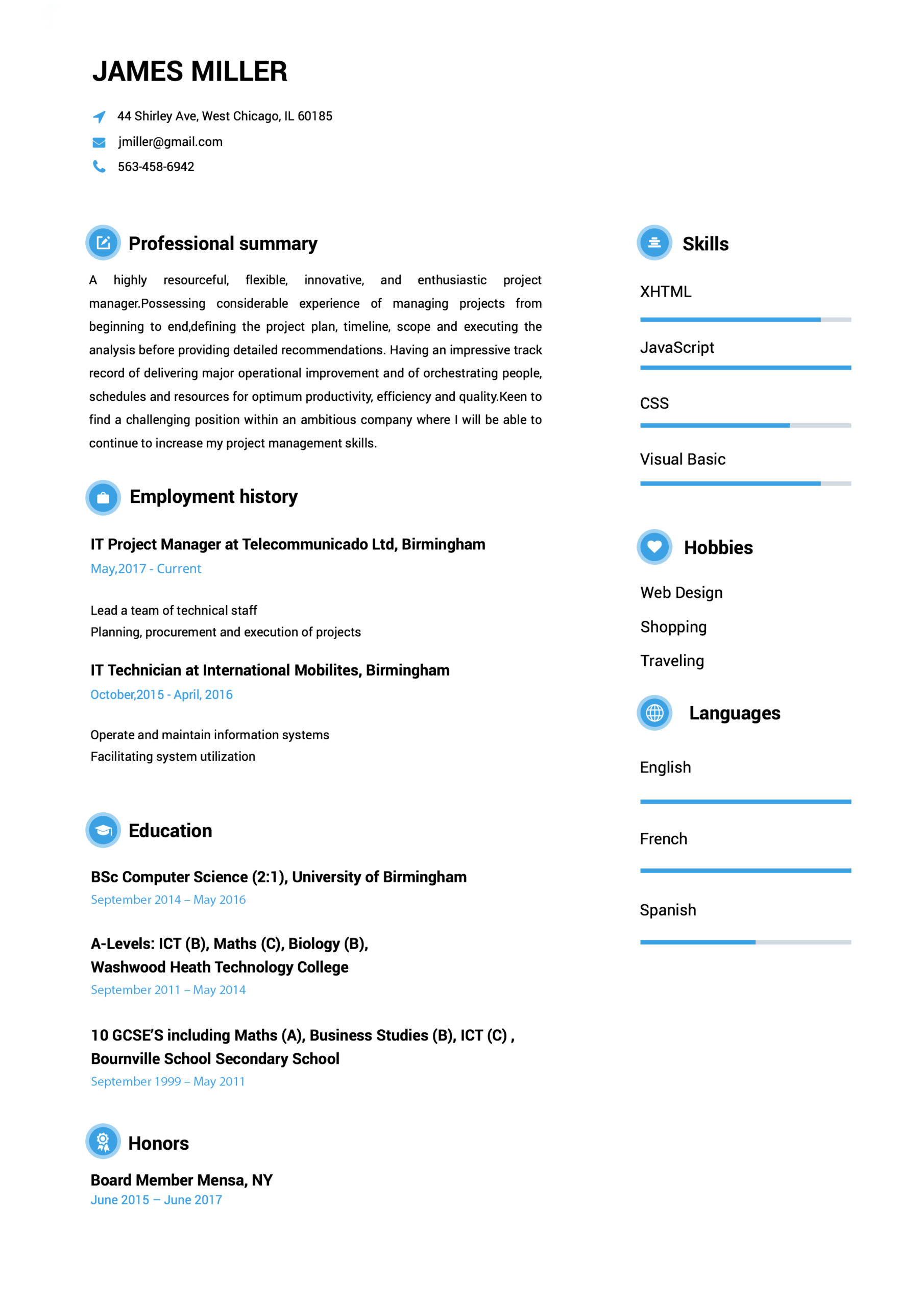
Now, what does it take to have use professional resume templates? Think of it as a promotional brochure about you. Before writing one, you must know what type of resume that will suit you. There are 3 types cv templates. The most common type is the chronological resume. From the word chronological itself, it means that it is arranged according to the order of time. Therefore, the main body of the document becomes the professional experience section, starting from the most recent experience going chronologically backwards through a succession of previous experience. There are a lot of things you must remember when using the chronological resume. First, you just have to include only the last three to five positions or employment covering the last ten to fifteen years. Second, you should include three or four accomplishments in each position with the most relevant ones in the top half of the resume. Lastly, keep your resume to one page when possible, never more than two pages.

The second type of cv is the functional resume. With this type of letter, your skills and achievements are emphasized. It places a great deal of emphasis on what you know, and what you've accomplished, rather than where you've worked. However, it is really not recommended to use this type resume because a lot of employers would think that you were hiding something from them or they would think that you were job hopping for the past few months or years which is of course, not favorable to them and you might lose the chance of getting hired.

The last type of resume is the combination of the two previous type of cv. It is called combination resume or better known as hybrid curriculum vitae. This format generally starts with the functional cv format. It showcases the skills, accomplishments, and qualifications of the job applicant. The second page of the combination cv is a reverse chronological ordering of your career work experiences.


After choosing the format that you want to use, it is already time for you to write your cv. It is imperative to make a draft of your skills and experiences. Make sure that all details are clear and erroneous. Don't include information on your marital status, age, race, family or hobbies. This information is either irrelevant or is taken care of in other parts of the application. You also need to do some research about the company you want to work with so that you know what they are looking for an applicant. Once all information is ready, you need to choose the font you are going to use. Do not use a decorative font. Times New Roman and Arial parse most accurately and are the "standard" fonts for business communication, which is what your resume is. Use a standard font size. For business communications, fonts of 10 and 12 points are the norm. Don't reduce the type size to such a degree that your resume becomes difficult to read. Don't try to save money by printing your cvf on cheap copy paper instead of good quality stock. Check your cv for proper grammar and correct spelling - evidence of good communication skills and attention to detail. Use the spell check feature on your word processor and ask a friend to review your template to find mistakes you might have missed. Eliminate superfluous details. Unnecessary details can take up a lot of valuable space on your resume. Keep it concise. They should be one page, if possible, and two if absolutely necessary to describe relevant work experience.

There are a lot of templates that you can easily download online. Overall, the purpose of using these templates is to provide a quick start without having to worry about the typesetting, formatting, changing headings or fixing margins. Truly it saves your time and provides more chances to be interviewed and get hired.


Resume tips

User Rating: / 9
PoorBest 

RESUME TEMPLATES TIPS

It has often been said that the resume is your first key to getting an interview. It is essential that you have a very nice convincing resume. Many people struggle with how can they make their resume be more effective. Now, how can we write a professional, good looking cv?


There are three formats of Resume templates. First is the Chronological. It is actually the most common type of format. It features your work experience in chronological order. Meaning it is arranged according to the order of time. It starts by listing your work history, with the most recent position listed first. It helps show steady work history; it can show the progression of skills or taking on new more advanced rolls. The benefits of using the Chronological format are, it emphasizes work history and longevity and it is more widely accepted among employers. There are disadvantages for using Chronological.

First, it reveals gaps in employment. Second, chronological resume allows potential employers to figure out if you've been switching jobs every couple of years or months. Switching jobs a lot which may not be a good thing, and it seems most employers are more interested in what you can do, not where or when you did it. Aside from that, it reveals your age. Some employers prefer to have younger job seekers than the older ones.

The reason for that is, in a highly competitive world of technology, many older workers have not kept up with the latest technologies, and their skills are no longer in demand. Unlike with Chronological resume, Functional templates, the 2nd type of format, focuses on your skills and experience, rather than on your chronological work history. It places a great deal of emphasis on what you know, and what you've accomplished, rather than where you've worked. Recruiters are not big fans of functional resumes. They immediately begin to assume that you are hiding something from them. They will think that you’ve been job hopping for the past few months or years. Something that is not favorable to them. Another thing is, online application system asks specifically for dated information, so it can be unattainable to make online applications with this format. Last but not the least, the 3rd Resume format is Combined or Combination cv. From the word combination, it is a combination of Chronological and Functional curriculum vitae. It is also known as the Hybrid resume. It starts with a functional summary of your most relevant qualifications, your skills and abilities, and your relevant experience. After that, it gives a chronological career history which is shorter than it would be in a chronological format resume. For me, I would choose a Combination cv. It allows you to effectively position yourself while still showing a straightforward accounting of your work history in chronological format.

After choosing the type of cv's templates you want, you have to decide which font to use. Do not use a decorative font. Times New Roman and Arial parse most accurately and are the "standard" fonts for business communication, which your curriculum vitae is. Use a standard font size. For business communications, fonts of 10 and 12 points are the norm. Make a draft of your custom resume templates and make sure that it highlights the experience you have that is relevant to the job you are applying for. Use a template as a starting point in creating your resume. It is essential that you choose the template you will be using wisely. Edit the template to personalize it. Take the time to write a resume that specifies why you are a strong candidate for the job. Length should be no less than one and three quarter pages, no more than three pages if possible, but never more than five pages. Do not forget that all information entered must be clear and precise. Do not, under any circumstances, include personal information such as height, weight, age, marital status or religious background on your curriculum vitae. A cv is a professional document that should only reflect your career-related accomplishments.

Do not falsify any information as it will come back to haunt you, and you might not be able to get the job you desire. Be honest and specific, but positive. Make margins. Never use pictures, graphs or tables in your resume. Layout should be easy to follow and information is easy to locate. You have to research for companies and create a list of companies you'd like to work for. Check for the available jobs that would match your credentials. Research the company and know what information to include that would impress the employer. If the job posting requires you to send an attachment, send your resume as a PDF or a Word document. It is important to include an email signature with all your contact information, when you are using email to submit a resume. It makes it easy for the hiring managers and recruiters to contact you for an interview. If you attach a reference sheet, take off the statement “References provided upon request”. Leave off salary information and only provide it when requested. Only use your references when absolutely necessary so they are not bothered unnecessarily.

No matter what you apply for, a cv is an essential tool in a job search. Before deciding to apply for a job, you must a produce a curriculum vitae that makes you proud. The name at the top, it represents you. Your chance of getting an interview will be affected on how the cv has been made. You should know the pros and cons so when it is time for you write a resume; you will know exactly what to do. Do some research about the company you wish to work for. Read through all the information, listen to what everyone has to say, and then decide what you want to do.